A basic candle making kit has six things: wax (soy wax for container candles is the easiest start), pre-tabbed cotton wicks, wick stickers and centring bars, phthalate-free candle fragrance oil, dye chips and containers such as tins or glass jars. You also need a double boiler, a thermometer and a pouring jug. For a first batch of 20 candles of 200 ml each, plan on about 3.5–4 kg of wax, 250–350 g of fragrance oil and 20–25 wicks.
In this guide
- 1.What is included in a candle making kit?
- 2.Which wax is best for candle making: soy, paraffin, coconut or gel?
- 3.What wick size do I need for my candle jar?
- 4.How much fragrance oil do you add to candle wax?
- 5.Which candle moulds should you buy?
- 6.How do you make a container candle step by step?
- 7.How much does it cost to make one candle, and how do you scale to a brand?
- 8.Frequently asked questions
What is included in a candle making kit?
Hobby kits sold online usually contain 500 g of wax, a few wicks, two small fragrance bottles and two tins. That is enough for 3–4 candles, not enough to learn properly. If you are serious about selling, buy the same supplies in bulk and make 20–30 test candles. You will learn more from one proper batch than from five small kits.
Here is a starter list sized for about 20 container candles of 200 ml each.
| Item | Quantity | Notes |
|---|---|---|
| Container wax (soy or coconut-soy) | 4 kg | About 170–180 g of wax per 200 ml jar, plus spare for top-ups |
| Pre-tabbed cotton wicks | 25–30 | Buy two sizes so you can burn-test both |
| Wick stickers and centring bars | 1 pack each | Stickers hold the tab down; bars keep the wick straight while it sets |
| Candle fragrance oil | 300–400 g | 8–10% of wax weight; use oils made for candles, not essential oils alone |
| Dye chips or liquid dye | 1 pack | A chip colours roughly 1–2 kg of wax; go light with soy |
| Containers | 20 tins or jars with lids | Heat-safe glass or seamless tins only |
| Tools | Once | Double boiler or melter, digital thermometer, kitchen scale (1 g accuracy), pouring jug, heat gun |
| Labels and warning stickers | 20+ | Brand label plus a safety label on the base |
Core candle making supplies
Live prices, excl. GST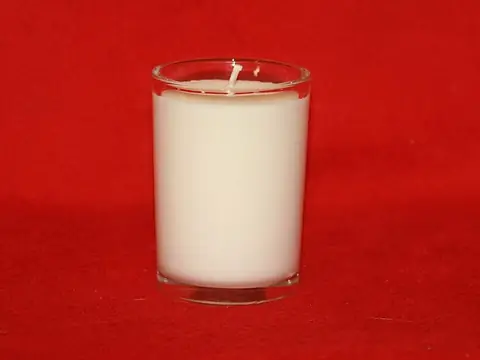 Ready price
Natural soy wax flakes for jar and pillar candles. Clean burn, good scent throw.
 Ready price
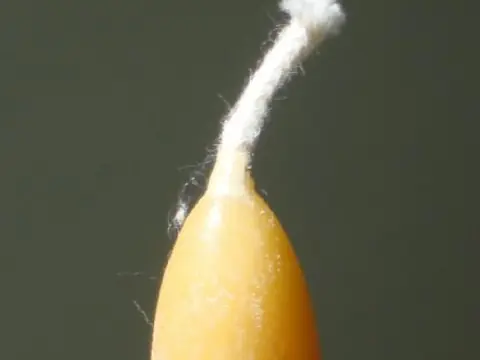
Waxed cotton wicks with metal tabs. Choose size by jar width.
 Ready price
Small tools to fix and centre wicks while wax sets. Pack of 100.
 Ready price
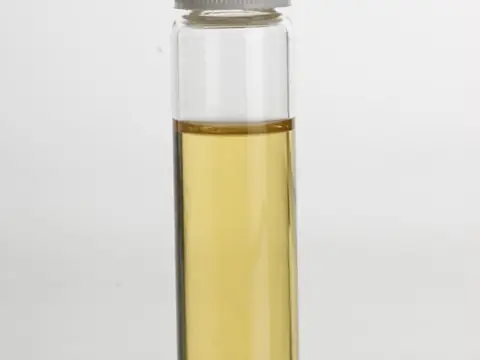
Strong, wax-tested fragrance oils. Also used in reed diffusers, incense and cleaners.
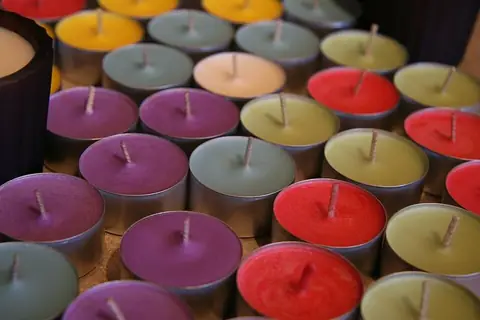 Ready price
Oil-soluble dyes made for wax. Pack of 100 g colours about 50 kg of wax.
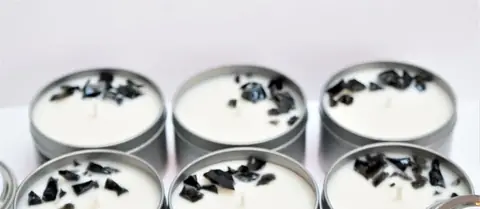 Ready price
Seamless tin for container candles. Heat-safe, with slip-on lid.
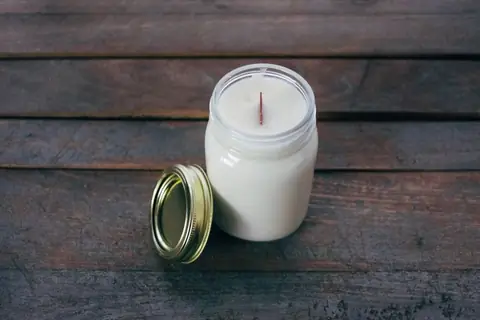 Ready price
Thick heat-safe glass jar with wooden lid and silicone seal.
Everything except the tools and moulds is available on YesBatch in bulk packs. See all candle waxes and wicks or browse supplies for candle and home fragrance brands.
Which wax is best for candle making: soy, paraffin, coconut or gel?
Soy wax is the most popular choice for container candles in India. It burns slower and cleaner than paraffin, sells well as "natural", and is forgiving for beginners. Its weak point is scent throw, which is softer than paraffin, and it can show frosting (white patches) on the surface.
Paraffin wax gives the strongest hot throw and the brightest colours, and is the cheapest per kg. It is the standard for pillars, tealights and votives. Coconut-soy blends give a creamy, smooth top and better throw than plain soy, at a higher price. Gel wax is clear and is used for decorative candles with embeds. Beeswax burns longest with a natural honey smell, but is expensive and harder to scent.
| Wax | Best for | Melt point (typical) | Fragrance load | Live price |
|---|---|---|---|---|
| Soy wax | Container candles, jars, tins | 48–54°C | 6–10% | from ₹270 / kg |
| Paraffin (fully refined) | Pillars, tealights, votives, moulded shapes | 56–62°C | Up to 10–12% | from ₹120 / kg |
| Coconut-soy blend | Premium jar candles | 46–52°C | 8–12% | from ₹440 / kg |
| Gel wax | Clear decorative candles with embeds | Pour at ~90°C | 3–5% | from ₹285 / kg |
| Beeswax | Pillars, rolled and luxury candles | 62–64°C | 3–6% | from ₹880 / kg |
Melt points vary by grade and supplier, so always check the data sheet that comes with the wax. For a first product, pick one wax and learn it well before you try blends.
What wick size do I need for my candle jar?
Wick size depends mainly on the diameter of the container, then on the wax and fragrance load. A wick that is too small tunnels down the middle and wastes wax. A wick that is too big gives a tall, sooty flame and overheats the glass. Use this chart as a starting point and confirm with a burn test.
| Jar diameter | Wick setup | Typical full melt pool |
|---|---|---|
| Up to 5 cm (tealight, 50–100 g tin) | 1 small wick | 1–2 hours |
| 5–7.5 cm (200 ml tin or jar) | 1 medium wick | 2–3 hours |
| 7.5–9 cm (300–400 ml jar) | 1 large wick or 2 small | 3–4 hours |
| 9–11 cm (bowls) | 2 medium wicks | 3–4 hours |
| Over 11 cm | 3 wicks | 3–4 hours |
Wooden wicks give a crackling sound and a wider, flatter flame. Size them by width as well as length: wider jars need wider wicks. Paraffin usually needs one size smaller than soy, and a heavy fragrance load or dark dye may need one size larger.
How much fragrance oil do you add to candle wax?
Most container candles use a fragrance load of 6–10% of the wax weight. For 1 kg of soy wax at 8%, that is 80 g of fragrance oil. Going higher than the wax can hold makes oil sweat out on the surface, and it does not always make the candle smell stronger.
Add fragrance at about 80–85°C for soy, stir gently for two full minutes so it binds, then let the wax cool to the pouring temperature (often 55–65°C for soy; check your wax data sheet). Use phthalate-free candle fragrance oils that state a flash point and IFRA category. Pure essential oils are fine in small amounts, but many have low flash points and weak throw in candles.
Waxes, wicks and fragrance
Live prices, excl. GST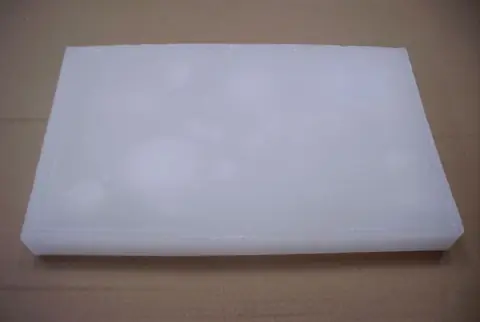 Ready price
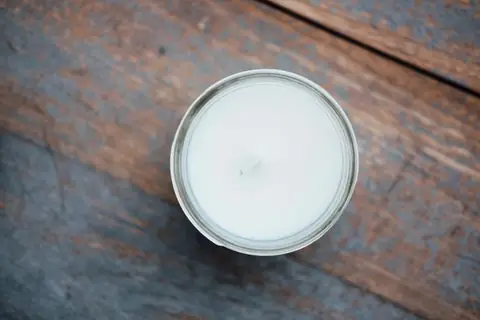
Fully refined paraffin for pillars, tealights and blends. Low oil content, bright white.
 Ready price
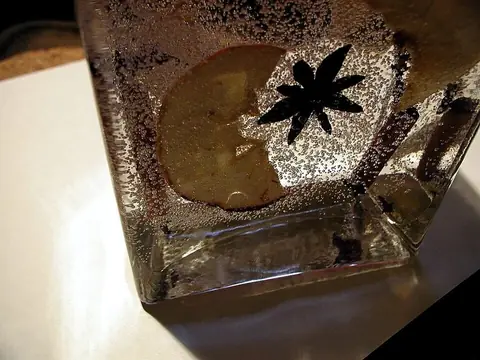
Creamy coconut and soy blend for luxury jar candles. Smooth tops, less frosting.
 Ready price
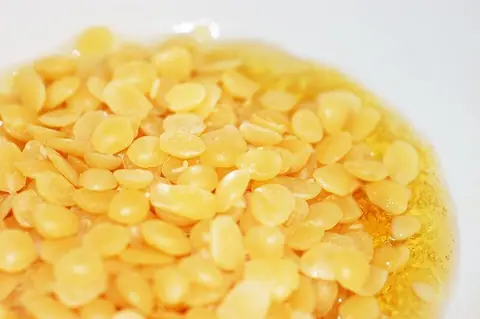
Clear gel wax for see-through glass candles and embeds.
 Ready price
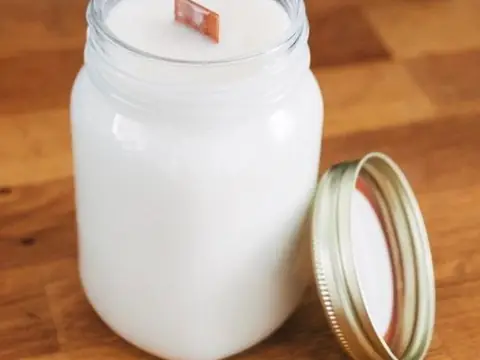
Filtered beeswax for lip balms, salves, creams and candles.
 Ready price
Wooden wicks with metal clips. Gives a soft crackle and a wide, flat flame.
 Ready price
Steam-distilled lavender for skincare, sleep blends, soaps and candles.
Which candle moulds should you buy?
You only need candle moulds for free-standing candles such as pillars, shaped and sculpted candles. Container candles are poured straight into the jar or tin. There are three common types:
Candle mould types
- Silicone moulds: flexible, easy release, good for shaped, bubble and floral designs. Last a few hundred pours. Typical market price is ₹150–₹800 per mould depending on size and detail.
- Metal (aluminium) moulds: rigid and long-lasting, the standard for smooth pillars. Need a mould sealer and release spray.
- Polycarbonate moulds: clear, give a glossy finish on pillars and see-through checks during setting. More fragile than metal.
- Use paraffin or a pillar blend for moulded candles. Container soy wax is too soft to release cleanly.
YesBatch does not list candle moulds as catalogue items yet. If you need them, add them to your list in the quote flow with the shape, size and quantity, and we will source them along with your wax and wicks.
How do you make a container candle step by step?
This method works for soy and coconut-soy wax in tins or jars. Work on a clean, flat table away from fans.
Container candle method
- Clean and warm the jars. Wipe with alcohol and warm them slightly with a heat gun so wax sticks to the sides.
- Fix the wick. Put a wick sticker on the metal tab, press it to the centre of the jar base and hold the wick straight with a centring bar.
- Weigh and melt the wax in a double boiler to about 80–85°C. Never heat wax directly on a flame.
- Add dye, then fragrance at the right temperature, and stir slowly for two minutes.
- Cool and pour at the wax's recommended pouring temperature. Pour slowly to avoid air bubbles and leave 1 cm of space at the top.
- Let it set for 12–24 hours at room temperature. Do not put it in the fridge, as that causes cracks and wet spots.
- Trim the wick to 5–6 mm and fix your label and safety sticker.
- Cure soy candles for 7–14 days before testing scent throw or selling.
How much does it cost to make one candle, and how do you scale to a brand?
Work out your cost per candle from the weight of each input. For a 200 ml soy candle in a tin, the typical inputs are about 170 g of wax, 14–17 g of fragrance oil (8–10%), one pre-tabbed wick, one wick sticker, a pinch of dye, the tin, and a label. Multiply each by its unit price, then add 10–15% for wastage and test candles.
At bulk prices, materials for a 200 ml soy tin candle in India typically land at ₹60–₹120, with fragrance and the container being the two biggest costs. Finished handmade candles of this size usually retail at ₹350–₹900, so the margin is in branding, scent choice and packaging, not in the wax.
To scale from hobby to brand, keep the recipe fixed and write it down (wax, wick, fragrance %, temperatures). Get a burn test done on each size so you can print honest burn times and safety warnings. Once you are selling a few hundred candles a month, a contract pouring partner can make them for you with your own wax, scent and jars, and you can add ready-made private-label lines like tealights or reed diffusers.
Scale up: testing, pouring and ready-made lines
Live prices, excl. GST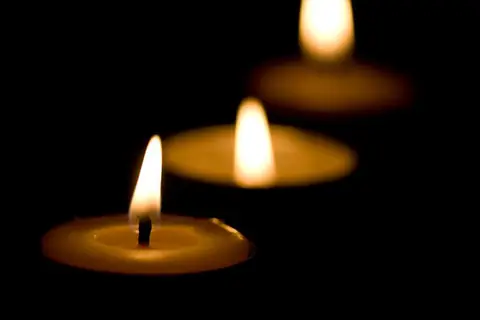 Service
Checks burn time, flame height, soot, and jar temperature. Report for your label.
 Price on quote
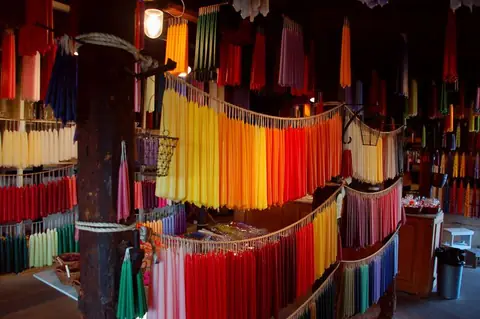
Pouring units that fill your jars with wax and scent, then cure and lid them.
 Ready price
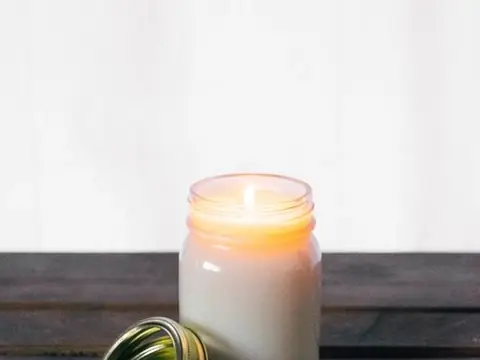
Hand-poured soy wax candle, 35–40 hr burn, cotton wick. Your label on the jar and lid.
 Ready price
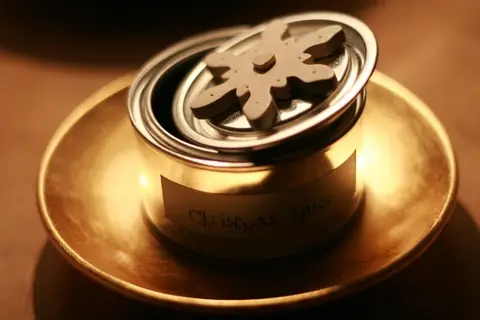
Soy wax candle in a lidded metal tin, about 20 hr burn. Printed lid sticker or embossed lid.
 Ready price
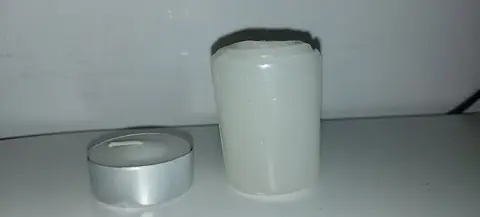
4-hour tealights in aluminium or clear cups. Packed in your printed box or pouch.
 Ready price
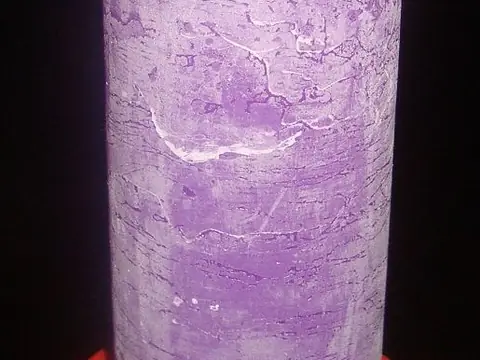
Smooth, drip-less pillar candles for decor and gifting. Shrink-wrapped with your label.
 Ready price
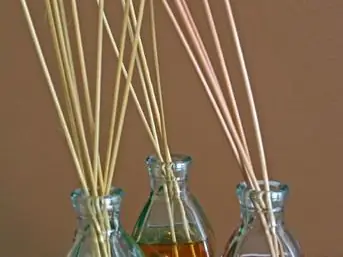
Fragrance oil in a glass bottle with 6–8 rattan reeds. Lasts 6–8 weeks. Your label and box.
 Ready price
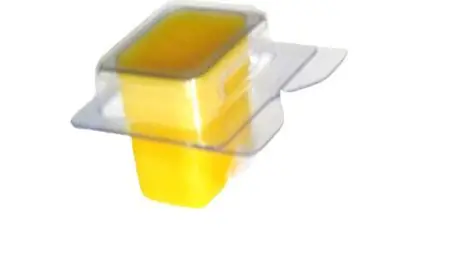
Soy wax melts for electric or tealight warmers. Strong scent throw. Your label on the clamshell.
Ready to buy in bulk? Browse finished candles for private label, or tell us what you are making and get one quote for wax, wicks, fragrance and jars through the home brand quote flow.
Frequently asked questions
What do I need to start candle making?
You need wax, pre-tabbed wicks, wick stickers, candle fragrance oil, dye, heat-safe containers, a double boiler, a thermometer, a kitchen scale and a pouring jug. Soy wax in tins or jars is the easiest place to start.
Which wax is best for beginners?
Soy wax for container candles is the most forgiving. It melts at a low temperature, sticks well to jars and is easy to clean up. Paraffin is better for pillars and moulded candles.
How much fragrance oil should I add per kg of wax?
Most container candles use 6 to 10 percent fragrance oil by weight, which is 60 to 100 g per kg of wax. Check the maximum load stated by your wax supplier.
How do I choose the right wick size?
Choose the wick by the diameter of your container. A 5 to 7.5 cm jar usually needs one medium wick, while jars wider than 9 cm usually need two wicks. Always confirm with a burn test, because fragrance and dye change how a wick behaves.
Is candle making a profitable business in India?
It can be. Materials for a 200 ml soy candle usually cost around 60 to 120 rupees at bulk prices, while branded candles of that size sell for 350 to 900 rupees. Most of the cost goes into fragrance, containers, packaging and marketing.
Why is my soy candle tunnelling?
Tunnelling usually means the wick is too small for the jar or the first burn was too short. Let the first burn run until the melt pool reaches the edges, usually one hour per 2.5 cm of diameter, and try one wick size larger.
Do I need silicone candle moulds for jar candles?
No. Jar and tin candles are poured straight into the container. Moulds are only needed for pillars and shaped candles, which are usually made with paraffin or a pillar blend.
Get this list priced in 24 hours
Add the items to your requirement list or just tell us what you need. One quote in 24 hours, zero commission, GST invoice.
Prices on this page come live from the YesBatch catalogue, exclude GST and are for the listed minimum order. Your quote confirms the final price for your quantity, city and delivery date. For the full range, browse supplies for candle and home fragrance brands.