A tea bag is a small pouch of filter paper or mesh holding 1.8–2.5 g of tea, enough for one 150–200 ml cup. The main types are the standard string-and-tag dip bag (filled with fine CTC or fannings for a fast, strong brew), the pyramid bag (nylon or PLA mesh with whole leaf and herbs) and heat-seal vs non-heat-seal paper bags. Offices and hotels buy them in boxes of 100, while new brands can launch their own private-label tea bags from a contract packer, usually from 10,000 bags per blend.
In this guide
What are the different types of tea bags?
Tea bags differ in shape, material and how they are sealed. The shape decides how much room the leaf has to open, and the material decides how fast the tea brews and how the bag looks in the box.
| Type | Material | Tea inside | Best for |
|---|---|---|---|
| Double-chamber string-and-tag (dip bag) | Non-heat-seal filter paper, folded and stapled or knotted | CTC dust, fannings, fine-cut green tea | Offices, hotels, everyday retail packs |
| Single-chamber heat-seal bag (round or square) | Heat-seal filter paper with a thin PP or PLA layer | Fannings, herbal blends | Low-cost bags, tagless bags, hotel trays |
| Pyramid bag | Nylon or PLA (corn-based) mesh | Whole leaf, flowers, herbs, spices | Premium green, herbal and speciality blends |
| Pillow or flat mesh bag | PLA or non-woven mesh | Broken leaf and herbal cuts | Mid-price wellness teas |
| Large brew or iced-tea bag | Heat-seal paper or non-woven | 10–40 g of CTC or leaf | Restaurants and cafés brewing a jug at a time |
Non-heat-seal paper has no plastic layer, so the bag is folded and closed with a staple, a knot or a thread. Heat-seal paper contains a thin plastic layer that melts to seal the edges. If you want to call a bag plastic-free or compostable, ask your packer for non-heat-seal paper or PLA mesh, and get it in writing.
How much tea goes in one tea bag?
Most black tea bags hold 2.0–2.5 g, green tea bags hold 1.5–2.0 g and herbal bags hold 1.5–2.5 g depending on how light the herbs are. Fluffy ingredients like chamomile or butterfly pea flowers take up more room per gram, so they suit a pyramid bag.
Fill weight decides your cost per cup. 1 kg of tea makes about 400–500 bags at 2–2.5 g. Every 0.1 g you add across 1 lakh bags is another 10 kg of tea, so fix the weight early and test the brew.
| Tea | Fill weight | Bags per kg | Steep time |
|---|---|---|---|
| Assam CTC (black) | 2.0–2.5 g | 400–500 | 2–3 min |
| Darjeeling or orthodox broken leaf | 2.0–2.2 g | 450–500 | 3–4 min |
| Green tea | 1.5–2.0 g | 500–650 | 2–3 min at 80°C |
| Herbal or kahwa blend | 1.5–2.5 g | 400–650 | 4–5 min |
| Whole-leaf pyramid | 2.5–3.0 g | 330–400 | 3–5 min |
What tea grade is used in tea bags?
Standard Indian tea bags use CTC (crush, tear, curl) tea in fine grades: dust and fannings. These small particles release colour and strength in two minutes, which is what a dip bag needs. Assam CTC is the usual base for strong, milky chai-style bags.
Whole-leaf and orthodox teas (Darjeeling, Assam orthodox, loose green tea) need more space to unfurl, so they go into pyramid bags. Putting whole leaf in a small flat paper bag gives a weak, slow brew. Herbs and flowers such as tulsi, lemongrass, hibiscus and butterfly pea are cut to 2–5 mm before bagging.
Teas and herbs for tea bags
Live prices, excl. GST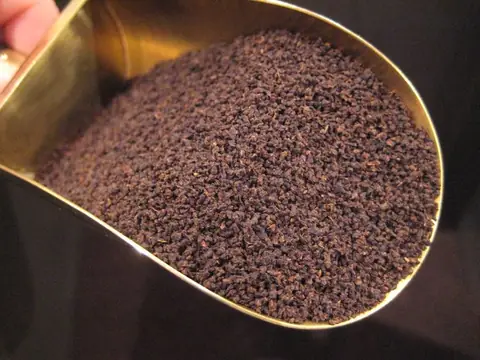 Ready price
Strong, malty CTC leaf for milk chai, masala chai blends and tea bags.
 Ready price
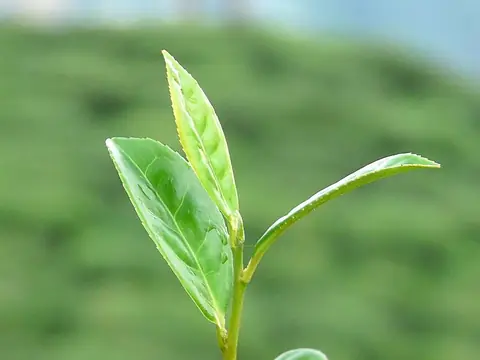
Light, muscatel Darjeeling from single gardens. Sold with invoice and garden mark.
 Ready price
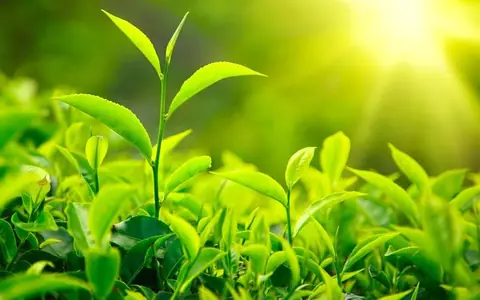
Steamed or pan-fired green tea from Nilgiris and Assam for loose tea, bags and kombucha.
 Ready price
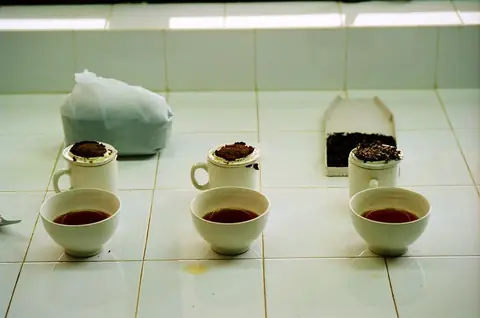
Rolled whole-leaf Assam with golden tips for premium loose tea and breakfast blends.
 Ready price
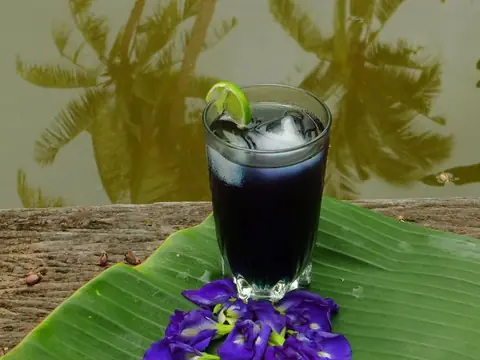
Whole dried blue pea flowers for colour-changing tea, lemonades and natural blue colour.
 Ready price
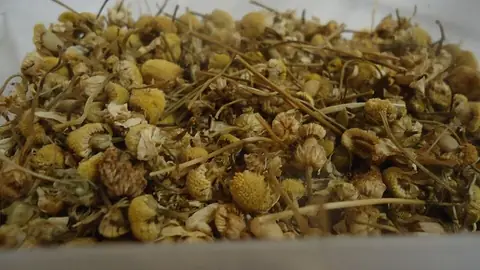
Whole dried chamomile heads for sleep teas, blends and cosmetic infusions.
 Ready price
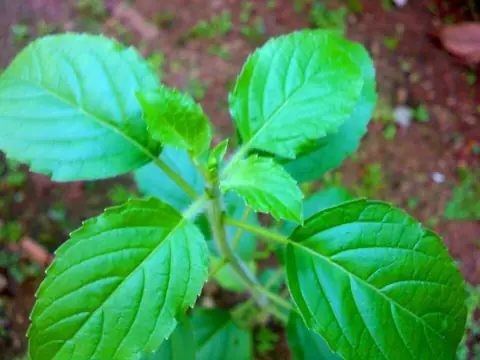
Rama and Krishna tulsi leaves, shade-dried, for herbal teas and wellness blends.
 Ready price
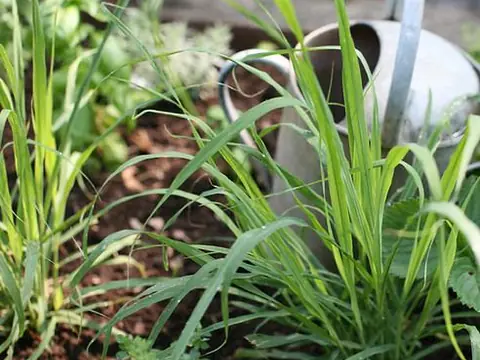
Kerala lemongrass cut for tea bags, herbal blends and ginger-lemon infusions.
Where can offices and hotels buy tea bags in bulk?
For offices, co-working spaces and events, boxes of 100 dip tea bags are the simplest: no measuring, no mess and a fixed cost per cup. One person usually drinks 2–3 cups a day, so an office of 50 people uses about 2,500 bags a month, or 25 boxes. Mix 70–80% regular black tea with some green and herbal options.
Hotels and homestays usually buy individually enveloped tea bags for room trays, because the envelope keeps tea fresh and looks neater. Ask your supplier for the envelope material (paper or foil laminate) and the shelf life printed on the carton.
Ready-to-use tea bags
Live prices, excl. GST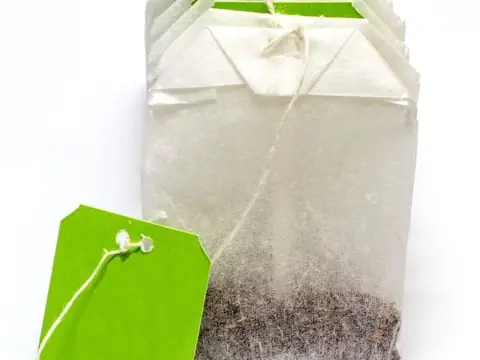 Ready price
Single-cup tea bags with string and tag for pantries and meetings.
 Ready price
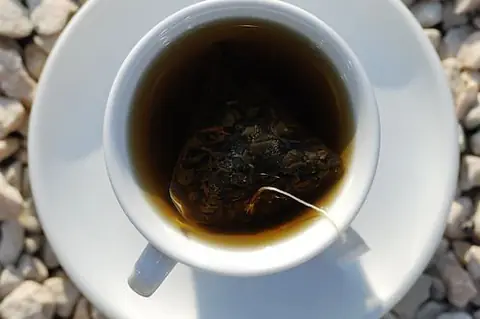
Green tea bags with tag and envelope, plain or flavoured. Printed tags, envelopes and carton.
 Ready price
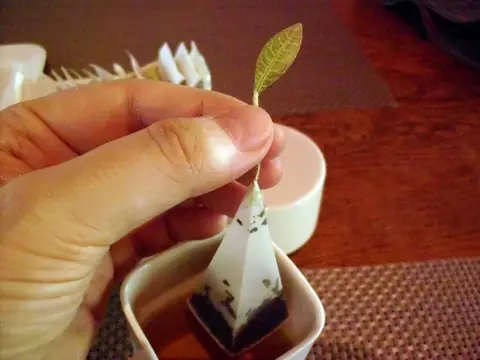
Biodegradable mesh pyramids with whole-leaf tea and herbs. Premium printed box with your brand.
 Ready price
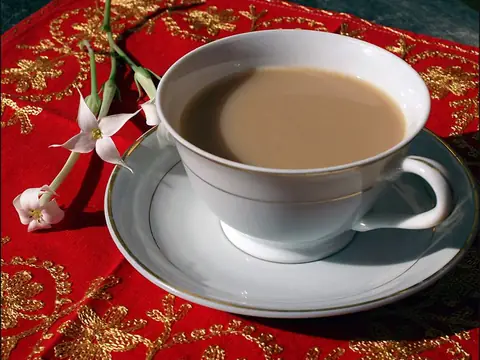
Tea, milk solids, sugar and spices in sticks. Add hot water for instant chai. Printed sticks and box.
Stocking an office pantry? See more pantry supplies for offices and startups, or supplies for hotels and homestays.
How do you launch your own private-label tea bag brand?
Most new tea brands in India do not own a tea-bag machine. They buy the tea, agree a blend and send it to a contract packer that blends, bags, tags, envelopes and cartons it. You can also start with ready private-label tea bags and add your own blends later.
Steps to launch private-label tea bags
- Pick 2–4 blends to start: a strong CTC chai, a green tea and one or two herbal or wellness blends such as kahwa or tulsi.
- Choose the bag type: string-and-tag paper for everyday tea, pyramid mesh for whole leaf and premium blends.
- Fix the fill weight (for example 2.2 g) and the bag count per box (25 is the common retail count; 100 for HoReCa).
- Check the packing MOQ: contract tea-bag packing typically starts around 10,000 bags per blend, with lower rates per bag above 50,000.
- Get an FSSAI licence in your brand's name (or market under the packer's licence with your own details as marketer), and keep the 14-digit number for the label.
- Test before launch: microbial, heavy metals and shelf life, plus pesticide residue if you claim organic or export.
- Design packaging: printed tag, optional envelope, and an outer carton or tin with the full FSSAI label.
- Order a pilot run and brew-test from the final boxes before you scale.
Blending, packing and testing
Live prices, excl. GST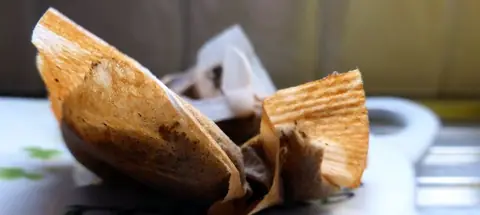 Price on quote
Your blend mixed, packed into string, pyramid or envelope tea bags and cartoned.
 Ready price
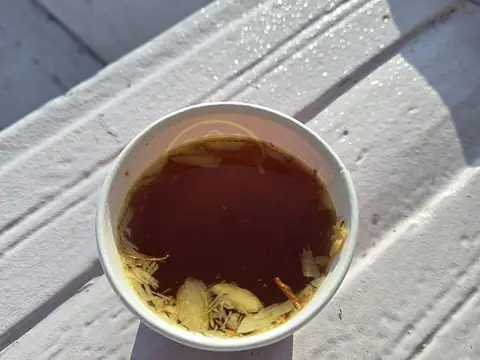
Green tea with saffron, almond flakes, cardamom and cinnamon. Loose blend or premix sachets.
 Service
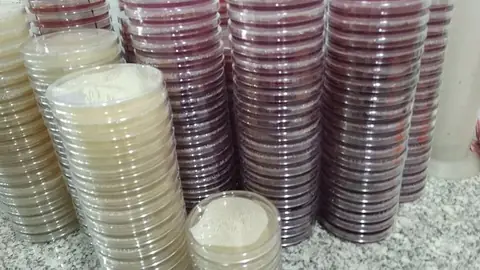
Bacteria, yeast and mould count, and harmful germs.
 Service
 Service
 Service
Measures caffeine per serving in coffee, tea, energy drinks and pre-workout. NABL lab.
What packaging do tea bags need?
Tea picks up moisture and smells easily, so the packaging has three layers of protection: the bag, an optional envelope around each bag, and the outer box or tin. Individual envelopes add roughly ₹0.30–₹1 per bag but keep tea fresh much longer once the box is opened, and are expected in hotels and gift packs.
For the outer pack, a printed mono carton with an overwrap film is standard for 25-bag retail boxes. Tins and paper tube canisters suit premium pyramid and gift ranges. Whatever you choose, the outer pack must carry the full label: product name, ingredients, net quantity (for example 25 bags × 2 g = 50 g), FSSAI logo and number, MRP, dates, batch and consumer-care details.
Tea packaging
Live prices, excl. GST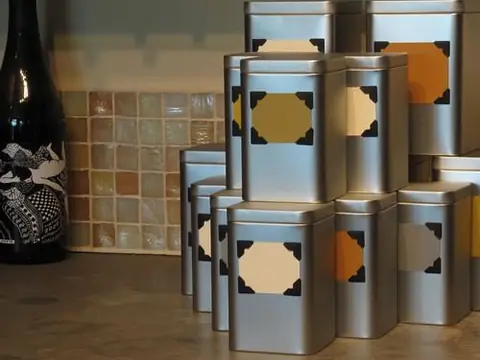 Ready price
Food-grade tinplate canister with airtight inner lid. Plain, ready to label.
 Price on quote
Kraft or printed paper tube with lid. Foil-lined option for tea, coffee and snacks.
 Price on quote
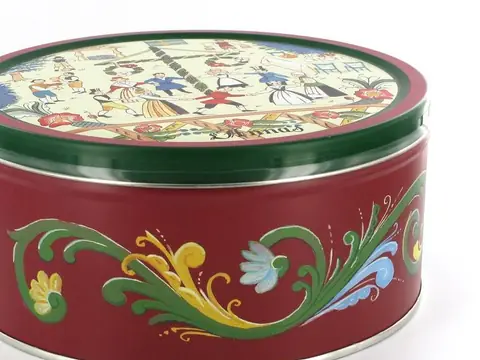
Tin printed with your artwork in up to 6 colours. Round, square or rectangle.
 Price on quote
Food-safe pouch with zip. Printed with your design.
 Price on quote
Checked for FSSAI rules before print.
 Price on quote
Premium gift box with foil logo.
Browse all tea and herbs or ready private-label tea, see everything for tea brands, and get one quote for tea, bagging and packaging through the beverage brand quote flow.
Frequently asked questions
How many grams of tea are in a tea bag?
Most black tea bags contain 2 to 2.5 grams of tea. Green tea bags usually hold 1.5 to 2 grams, and whole-leaf pyramid bags hold 2.5 to 3 grams.
What is the difference between pyramid and regular tea bags?
Regular flat tea bags are made of filter paper and hold fine CTC tea or fannings that brew quickly. Pyramid bags are made of nylon or PLA mesh and have more space, so whole leaves, flowers and herbs can open up and give a fuller flavour.
Are tea bags plastic-free?
Not always. Heat-seal tea bags contain a thin plastic layer that melts to seal the edges, and many pyramid bags are nylon. Non-heat-seal paper bags closed with a staple or knot, and PLA mesh bags, are the low-plastic options.
What tea is used in tea bags in India?
Most Indian tea bags use Assam CTC tea in fine grades called dust and fannings, which brew strong and fast. Premium brands use broken orthodox leaf, Darjeeling or whole leaf in pyramid bags.
What is the minimum order to make my own brand of tea bags?
Contract tea-bag packers in India typically start at around 10,000 bags per blend. Ready private-label tea bag boxes can be ordered from a few hundred boxes.
Do I need an FSSAI licence to sell tea bags?
Yes. Tea is a food product, so the brand owner or marketer needs FSSAI registration or a licence, and the FSSAI logo and 14-digit number must appear on the box.
How long do tea bags last?
Sealed tea bags usually carry a best-before of 18 to 24 months for black tea and around 12 to 18 months for green and herbal tea. Individually enveloped bags stay fresh longer once the box is opened.
Get this list priced in 24 hours
Add the items to your requirement list or just tell us what you need. One quote in 24 hours, zero commission, GST invoice.
Prices on this page come live from the YesBatch catalogue, exclude GST and are for the listed minimum order. Your quote confirms the final price for your quantity, city and delivery date. For the full range, browse supplies for tea brands.