The best everyday protein snacks in India are roasted chana (about 18–22 g protein per 100 g), peanuts (about 25 g), almonds (about 21 g), soya chunks or soy crisps (40–50 g), paneer (about 18 g) and protein bars (typically 15–20 g per bar); makhana is lighter at about 9–10 g per 100 g. To call a packaged snack "high protein" on the label, it has to meet FSSAI's claim thresholds, so brands usually add whey, pea or soy protein isolate to get there.
In this guide
- 1.Which snacks have the most protein per 100 g?
- 2.What makes a snack "high protein" under FSSAI rules?
- 3.How do you launch your own protein snack brand?
- 4.Which contract manufacturers, tests and packaging do you need?
- 5.Can you start with a private label protein snack?
- 6.How do gyms, offices and cafés buy protein snacks in bulk?
- 7.Frequently asked questions
Which snacks have the most protein per 100 g?
Protein is usually quoted per 100 g on the label, but people eat a serving of 25–60 g. Look at both. A 30 g handful of roasted chana gives about 6 g of protein; a 60 g protein bar can give 15–20 g in one go.
The figures below are typical values from Indian food composition data and common product labels. Your own recipe will differ, so always use a lab test for the number you print.
| Snack | Protein per 100 g | Typical serving | Protein per serving | Notes |
|---|---|---|---|---|
| Roasted chana (Bengal gram) | 18–22 g | 30–40 g | 6–8 g | Cheapest high-fibre option; good shelf life |
| Roasted makhana (fox nut) | 9–10 g | 25–30 g | 2–3 g | Light and low-fat, but not high protein on its own |
| Peanuts (roasted or masala) | 24–26 g | 30 g | 7–8 g | High in fat too; masala coating lowers protein % |
| Almonds and mixed nuts | 18–21 g | 25–30 g | 5–6 g | Premium; good for gifting and office packs |
| Protein bar (whey or plant based) | 25–35 g | 40–60 g | 10–20 g | Most popular gym snack; check sugar and fibre |
| Whey or plant protein shake | 70–90 g (powder) | 30 g scoop | 20–25 g | Highest protein per rupee; needs a shaker |
| Soya chunks / soy crisps | 40–52 g | 30 g | 12–15 g | Extruded soy crisps are a strong bar alternative |
| Paneer cubes or paneer tikka | 18–20 g | 100 g | 18–20 g | Fresh, chilled; for cafés and canteens, not shelf |
| Millet protein crisps | 15–30 g | 30 g | 5–9 g | Plain millet chips are 7–10 g; protein needs added isolate |
If you want a shelf-stable snack that genuinely reads as high protein, the realistic options are protein bars, soy or pea protein crisps, and protein-fortified chana or millet snacks. Makhana and plain baked chips need added protein to get there.
What makes a snack "high protein" under FSSAI rules?
Protein claims on packs are governed by the Food Safety and Standards (Advertising and Claims) Regulations, 2018, read with the Labelling and Display Regulations, 2020. In broad terms there are two levels of claim:
"Source of protein": the food must provide at least about 10% of the reference daily value per 100 g of solid food (lower thresholds apply per 100 ml for drinks). "High in protein" or "rich in protein": the food must provide at least twice the "source" value, so roughly 20% of the reference value per 100 g. Depending on the reference value used, that works out to very roughly 5–6 g and 10–12 g of protein per 100 g respectively.
These thresholds and reference values are amended from time to time, so treat the numbers above as a guide only. Check the current FSSAI Advertising and Claims regulations and get your label reviewed by a food regulatory consultant before you print "high protein" or "protein rich" on a pack.
Before you put a protein claim on the pack
- Get a lab-tested protein value for the final recipe, not a calculation from supplier specs.
- Check the claim against the current FSSAI claim thresholds per 100 g (and per serving, if you show it).
- Show protein in the nutrition table in the same units the claim refers to.
- Avoid health claims such as "builds muscle" unless they are specifically permitted.
- If you use whey or soy, declare milk or soy as allergens.
- For products positioned for athletes, check whether they fall under the Health Supplements / Nutraceuticals regulations instead of general food.
How do you launch your own protein snack brand?
Most Indian protein snack brands do not own a factory. They develop a recipe, buy protein ingredients, and use a contract manufacturer that already runs bar, extrusion or roasting lines. A realistic launch path looks like this:
1. Pick the format. Bars need a cold-forming or slab line and an MOQ of a few thousand pieces. Extruded crisps need a twin-screw extruder and are usually made in batches of a few hundred kilos. Roasted chana, makhana and nuts are the easiest to start with.
2. Choose the protein source. Whey concentrate (WPC 80) is the most common and tastes best. Whey isolate (WPI 90) is for low-sugar, low-lactose products. Pea, soy and brown rice protein are used for vegan claims; blending pea and rice gives a more complete amino acid profile.
3. Test the product. Order a protein and amino acid profile test, a nutrition analysis for the label and a shelf-life study. Protein bars can harden over time, so shelf life matters as much as taste.
4. Pack it right. Nuts, crisps and bars go rancid or soft with oxygen and moisture. Use metallised, nitrogen-flushed pouches for crisps and nuts, and a barrier flow-wrap for bars.
Protein ingredients
Live prices, excl. GST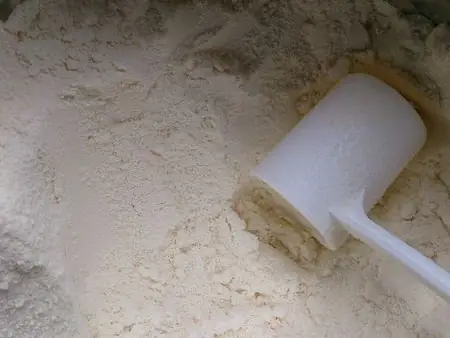 Ready price
Unflavoured WPC with 80% protein (dry basis), instantised, for protein powders, bars and bakes.
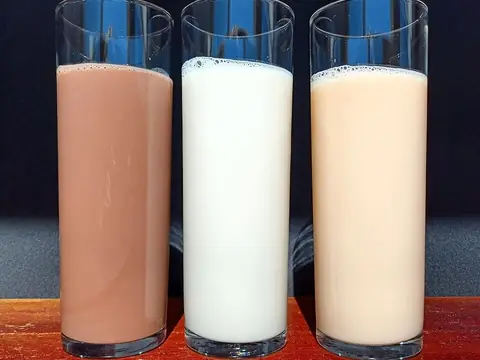 Ready price
90% protein, low lactose and fat, for premium isolate powders and clear protein drinks.
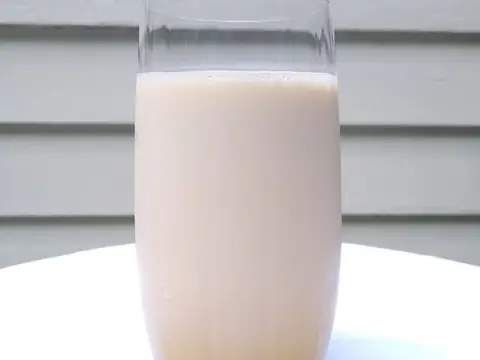 Ready price
Vegan pea protein with 80%+ protein for plant protein powders, bars and dairy alternatives.
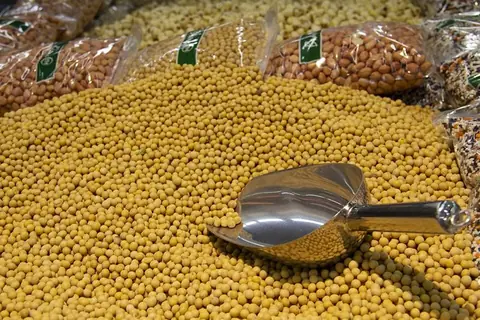 Ready price
Non-GMO soy isolate, 90% protein, for budget protein powders, mass gainers and meat analogues.
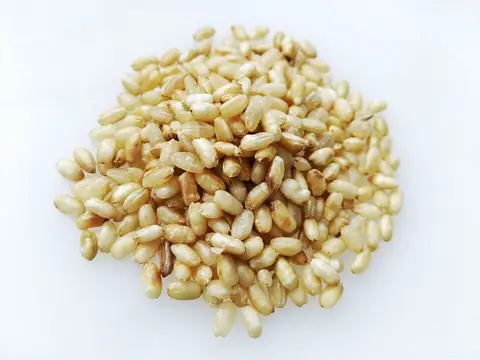 Ready price
Allergen-friendly rice protein to pair with pea protein for a full amino acid profile.
Browse all protein powders or see everything we supply to protein and sports nutrition brands.
Which contract manufacturers, tests and packaging do you need?
Your manufacturer choice depends on the format. For powders and shakes, a blending and packing unit is enough. For roasted or fried snacks, use a namkeen co-manufacturer. For bars and baked snacks, look for a food co-packer with a bar line. If we do not list the exact line you need (for example a dedicated protein-bar extrusion line), add it to your list and we will source it.
Typical MOQs in India: 3,000–10,000 bars per flavour for private label bars, 200–500 kg per batch for roasted snacks and protein powders, and 5,000+ printed pouches per design for rotogravure packaging.
Manufacturing, testing and packs
Live prices, excl. GST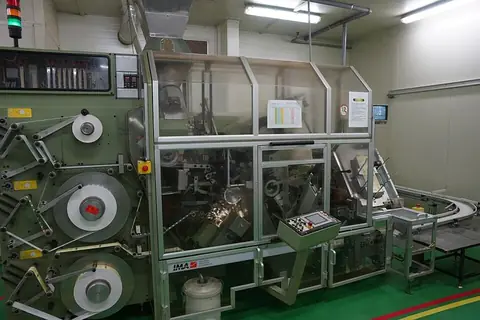 Price on quote
FSSAI-licensed units that make and pack for you.
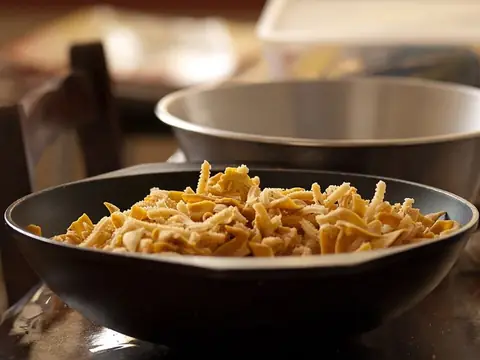 Price on quote
Your recipe fried, seasoned and packed - bhujia, mixture, dal namkeen, chips - from 300 kg a run.
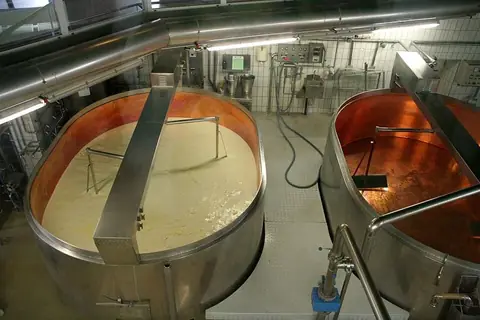 Price on quote
Blending, flavouring and filling of protein, creatine or greens powders into tubs or pouches. Job-work rate.
 Price on quote
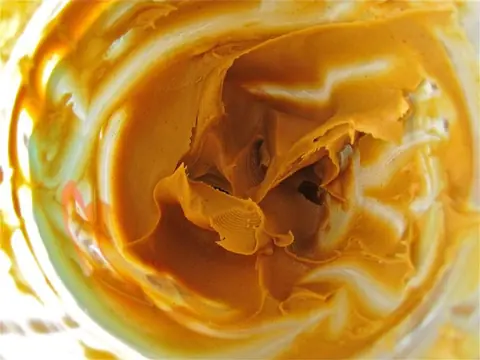
Roasting, grinding and jar filling of peanut, almond and cashew butters to your recipe, from 200 kg.
 Service
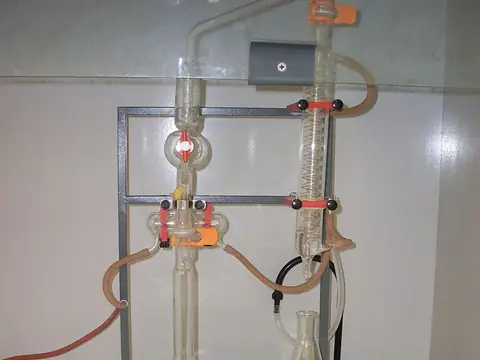
Checks real protein % and full amino acid profile to rule out spiking. For whey and plant protein.
 Service
Energy, protein, fat, carbs and more for your label.
 Price on quote
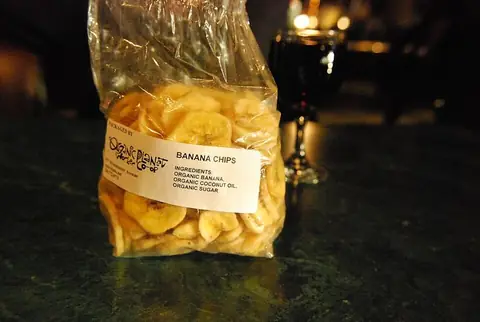
Printed metallised pillow pouch that holds nitrogen so chips stay crisp.
 Price on quote
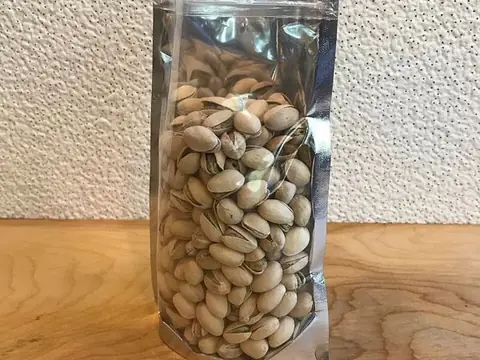
Food-safe pouch with zip. Printed with your design.
Need help with the label? Read our guide to product label design and see lab testing and pouches.
Can you start with a private label protein snack?
Yes. Private label (white label) products are ready recipes that a manufacturer packs under your brand. They are the fastest way to test demand before investing in your own recipe. MOQs are often 300–3,000 units, against 5,000 or more for a custom product.
Good starter lines are roasted chana and makhana (low MOQ, simple), date and nut bars (clean label), and protein bars or ready-to-drink shakes once you have a gym or online audience. Current options include Protein Bar, 60 g (Private Label) (approx. ₹48.00 / piece), Roasted Chana, 200 g Pouch (Private Label) (from ₹28.00 / pouch) and Ready-to-drink Protein Shake, 200 ml (Private Label) (approx. ₹66.00 / bottle).
Private label protein snacks
Live prices, excl. GST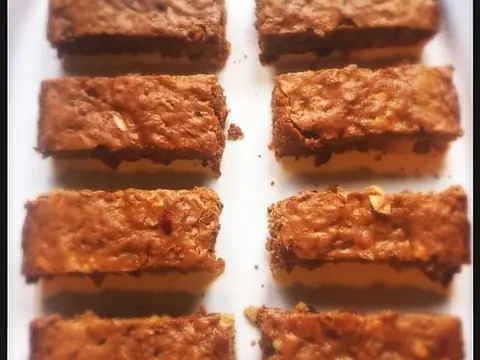 Price on quote
20 g protein bars in your printed wrapper. FSSAI-licensed kitchen; your brand needs its own licence.
 Ready price
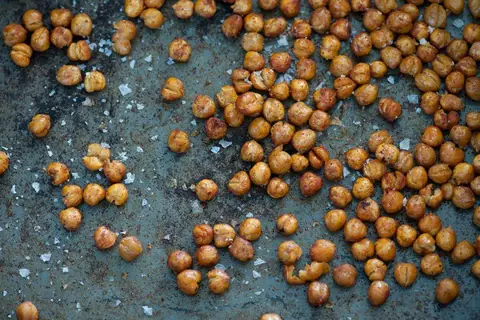
Crunchy roasted Bengal gram, plain or masala. High-protein snack in your own pouch.
 Ready price
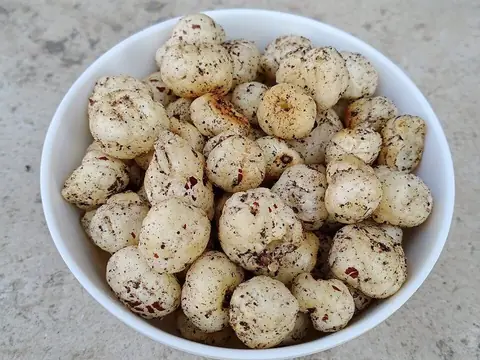
Slow-roasted fox nuts in low oil, nitrogen-flushed. Pick flavour; your brand on the pouch.
 Ready price
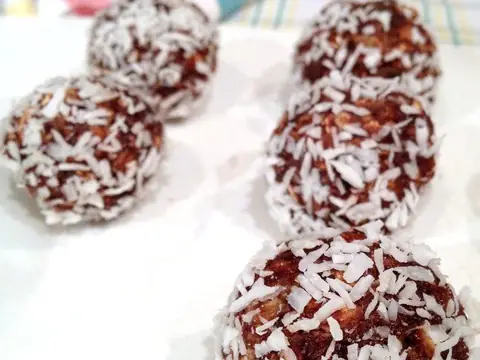
No-sugar-added bars of dates, nuts and seeds, 4-month shelf life. Your printed wrapper.
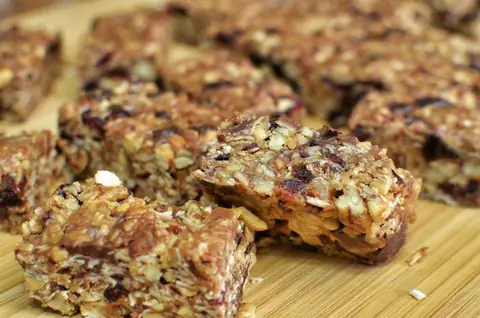 Ready price
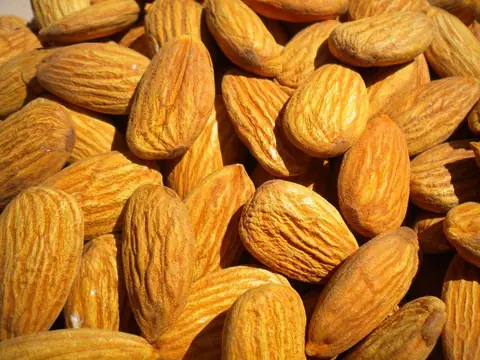
Crunchy oats and millet bars bound with jaggery or honey. Your wrapper and display box.
 Ready price
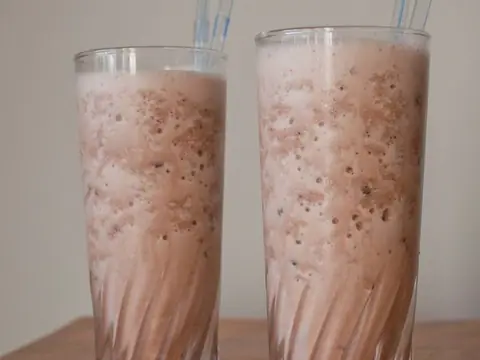
California or Mamra almonds, sorted and packed in zip pouches or jars with your brand.
 Price on quote
Shelf-stable milk protein shake with 15–25 g protein, no added sugar options. Can, PET or carton.
How do gyms, offices and cafés buy protein snacks in bulk?
Gyms, corporate pantries and cafés buy protein snacks for resale counters, vending machines and staff wellness programmes. Buying direct in bulk usually saves 20–40% compared with retail packs.
Gyms sell protein bars, RTD shakes and single-serve whey at the front desk. Keep 3–4 flavours and reorder monthly. Offices prefer portion packs of 25–40 g (chana, makhana, nuts, small bars) under about 150 kcal each. Cafés add paneer, eggs and protein shakes to the menu and can buy whey in bulk for smoothies, along with loose makhana such as Makhana (Fox Nut / Phool Makhana) (from ₹820 / kg) for roasting in-house.
Bulk buying checklist
- Check best-before dates on delivery: aim for at least 6 months left on bars and 4 months on roasted snacks.
- Ask for the FSSAI licence number and a recent lab report for protein content.
- Store away from heat: bars soften above 30 °C, and nuts go rancid in sunlight.
- Order mixed cartons (several flavours per carton) so slow sellers do not expire.
- Compare price per gram of protein, not per pack.
- Ask about co-branding if you order more than a few thousand units.
See what we supply to gyms and fitness centres, offices and startups and cafés, or get a bulk quote.
Frequently asked questions
Which Indian snack has the highest protein?
Among everyday Indian snacks, soya chunks and soy crisps have the most protein at about 40 to 50 g per 100 g, followed by peanuts at about 25 g and roasted chana at about 18 to 22 g per 100 g. Protein bars and shakes made with whey or plant protein isolate can give 15 to 25 g per serving.
Is makhana high in protein?
Not really. Makhana has about 9 to 10 g of protein per 100 g, and a typical 25 to 30 g serving gives only 2 to 3 g. It is a good light, low-fat snack, but roasted chana or peanuts give far more protein per serving.
How much protein is in roasted chana?
Roasted chana has roughly 18 to 22 g of protein per 100 g. A 30 to 40 g handful gives about 6 to 8 g of protein, along with plenty of fibre.
What is the FSSAI rule for a high protein claim?
Under the FSSAI Advertising and Claims Regulations, a food can claim to be a source of protein if it meets a minimum share of the reference daily value per 100 g, and high in protein if it provides at least twice that amount. Thresholds are amended from time to time, so check the current regulations and get the label reviewed before printing.
How much does it cost to start a protein bar brand in India?
Using a contract manufacturer, most brands start with 3,000 to 10,000 bars per flavour. Including recipe development, lab tests, packaging and the first batch, a small launch typically needs a few lakh rupees. Private label bars with ready recipes are the lowest-cost way to start.
Are protein bars healthy?
It depends on the recipe. Look for at least 15 g of protein per bar, low added sugar, and a short ingredient list. Some bars are high in sugar alcohols or fat, so read the nutrition table rather than relying on the front of the pack.
Can gyms buy protein snacks wholesale?
Yes. Gyms can buy protein bars, ready-to-drink shakes and bulk whey directly from manufacturers or B2B suppliers, usually in cartons of 12 to 48 units, with mixed flavours and co-branding available on larger orders.
Get this list priced in 24 hours
Add the items to your requirement list or just tell us what you need. One quote in 24 hours, zero commission, GST invoice.
Prices on this page come live from the YesBatch catalogue, exclude GST and are for the listed minimum order. Your quote confirms the final price for your quantity, city and delivery date. For the full range, browse supplies for protein and sports nutrition brands.