To start a cloud kitchen in India, pick a focused menu, rent a small kitchen in a high-delivery area, get FSSAI registration or licence, GST and a municipal trade licence, and list on Swiggy and Zomato. Then buy three sets of supplies: compact cooking equipment, leak-proof delivery packaging and hygiene consumables. Many single-brand cloud kitchens are set up for roughly ₹5–15 lakh excluding rent deposit, depending on city, menu and equipment.
In this guide
- 1.What are the steps to start a cloud kitchen?
- 2.How much does it cost to set up a cloud kitchen?
- 3.What equipment does a cloud kitchen need?
- 4.Which delivery packaging should a cloud kitchen use?
- 5.What licences do you need for a cloud kitchen in India?
- 6.How do you keep a cloud kitchen hygienic and inspection-ready?
- 7.Frequently asked questions
What are the steps to start a cloud kitchen?
A cloud kitchen is a delivery-only kitchen with no dining area. That removes the biggest costs of a restaurant (frontage, interiors, service staff) but makes packaging, speed and ratings everything.
Ten steps from idea to first order
- Choose a tight menu of 15–30 dishes built from shared base ingredients and gravies.
- Pick the location from delivery-app demand in a 3–5 km radius, not footfall. 200–500 sq ft is common for one or two brands.
- Register the business (proprietorship, LLP or private limited) and open a current account.
- Apply for FSSAI: basic registration if annual turnover is up to ₹12 lakh, a state licence above that.
- Register for GST and get a municipal trade or health licence and a fire NOC as your local rules require.
- Buy and install equipment sized to your peak orders per hour.
- Source packaging for each dish type and test it on a real delivery run.
- Set up hygiene routines: uniforms, hairnets, gloves, sanitiser, pest control and a cleaning schedule.
- List on Swiggy and Zomato with good photos and a clear menu; plan launch offers.
- Track ratings, prep times and food cost weekly and fix the worst dish first.
How much does it cost to set up a cloud kitchen?
Setup cost depends on city, kitchen size, menu and whether you buy new equipment. As a rough guide, many single-brand delivery kitchens in Indian cities are set up for about ₹5–15 lakh, excluding the rent deposit. Treat that as a starting range, not a quote.
The biggest swing factors are cooking equipment (a tandoor or pizza oven adds a lot), refrigeration, civil and exhaust work, and how much opening inventory and packaging you buy. Build your own estimate by pricing the exact list below.
| Cost head | What it covers | How to keep it lean |
|---|---|---|
| Rent and deposit | Monthly rent plus a deposit of several months | Shared or aggregator-run kitchen spaces cut the deposit |
| Civil and utilities | Tiling, drainage, gas line, electrical load, exhaust ducting | Pick a space that was a kitchen before |
| Cooking equipment | Range, fryer, griddle or tandoor, work tables, sinks | Buy only what your menu needs; add later |
| Refrigeration | Chiller and freezer | Right-size to your stock cycle |
| Packaging and inventory | Containers, bags, labels; opening raw material | Order packaging in 2–4 week lots, not 6 months |
| Licences and launch | FSSAI, GST, trade licence, photography, app listing | Do licences in parallel with civil work |
What equipment does a cloud kitchen need?
Cloud kitchens are small, so every piece has to earn its space. A typical North Indian or multi-cuisine kitchen needs a two- or three-burner commercial range, a deep fryer, a work table with undershelf, a sink unit, a chiller and freezer, and an exhaust hood. Add a griddle, tandoor or oven only if your menu depends on it.
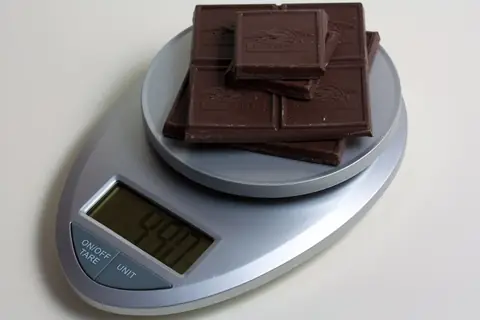
Portion consistency drives food cost and ratings, so a digital kitchen scale and gastronorm pans for pre-portioned mise en place are worth buying on day one.
Compact cooking line
Live prices, excl. GST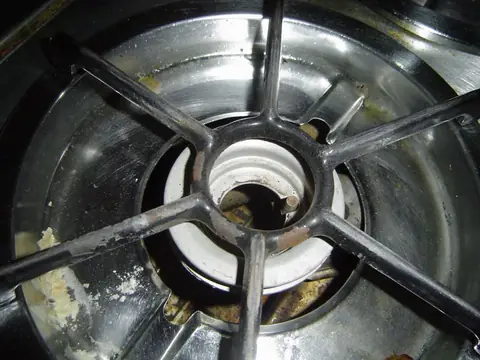 Ready price
Heavy cast-iron burners on a stainless frame for big kadhais and patilas. LPG or PNG.
 Ready price
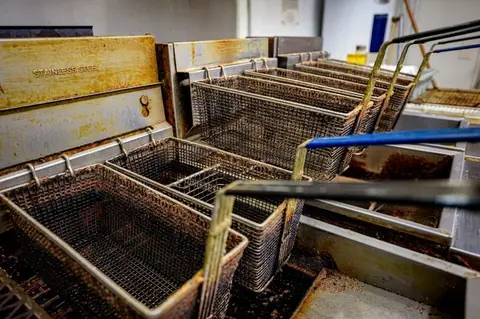
Stainless fryer with thermostat and baskets for fries, pakoras and fried chicken.
 Ready price
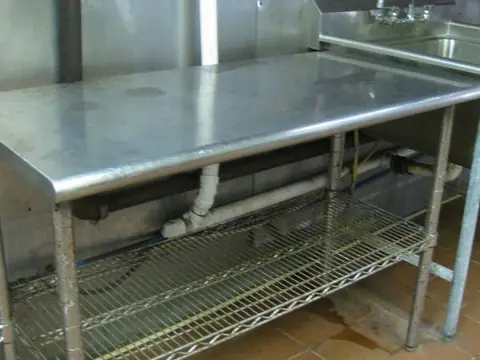
Prep table with undershelf and adjustable legs. Easy to clean and doesn't rust.
 Ready price
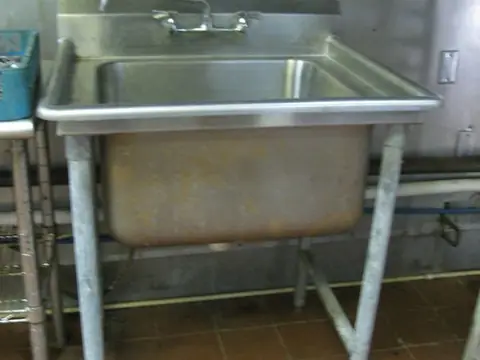
Deep-bowl pot-wash sink with drainboard and legs. For utensil washing and veg prep.
 Ready price
Stamped tabletop scale for recipe portions and stock checks. Legal metrology certified.
 Ready price
Standard GN pans for bain maries, prep and storage. Lids sold separately.
For the full restaurant-grade list, including chillers and exhaust hoods, see our commercial kitchen equipment list.
Which delivery packaging should a cloud kitchen use?
Packaging is the dining room of a cloud kitchen. Match the container to the dish: foil containers for hot gravies and biryani, microwave-safe PP containers for curries and rice that customers reheat, kraft bowls for salads and bowls, bagasse trays for thalis and combo meals, and noodle boxes for Chinese.
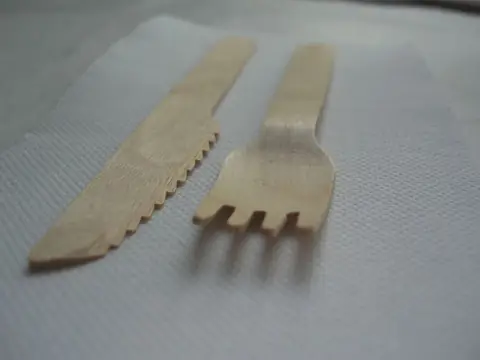
Seal every bag with a tamper-proof sticker: customers look for it, and it settles "was this opened?" complaints quickly. Add wooden cutlery and portion cups for chutneys and dips, and carry everything in a strong kraft bag.
| Dish type | Recommended pack | Why |
|---|---|---|
| Biryani, dum dishes | Aluminium Foil Container with Lid (from ₹3.90 / piece) | Holds heat, seals tight, oven-safe |
| Curries and dal | PP Round Container with Lid (Microwave-safe) (from ₹3.50 / piece) | Leak-resistant lid, reheatable |
| Rice and combos | PP Rectangular Container with Lid (from ₹4.30 / piece) | Stacks well in delivery bags |
| Thalis, meals | Bagasse Compartment Meal Tray (from ₹5.00 / piece) | Compartments stop gravies mixing; compostable |
| Salads, bowls | Kraft Paper Bowl with Lid (from ₹5.80 / piece) | Looks premium for healthy menus |
| Chutneys, dips | Sauce & Dip Portion Cup with Lid (from ₹0.78 / piece) | Stops spills in the bag |
Seal, carry and serve
Live prices, excl. GST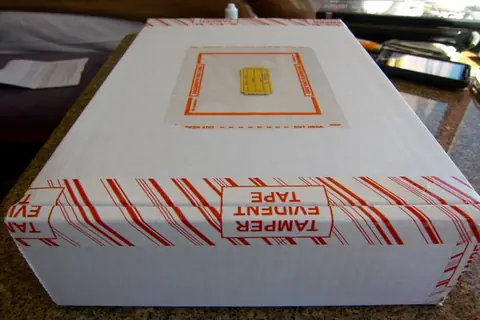 Price on quote
Breaks or leaves a mark if the bag or box is opened. Printed with your brand.
 Ready price
Flat-bottom kraft bag that stands open for packing. Strong enough for 2–3 containers.
 Ready price
Birch-wood spoon, fork and knife with a tissue napkin in a paper pouch.
 Ready price
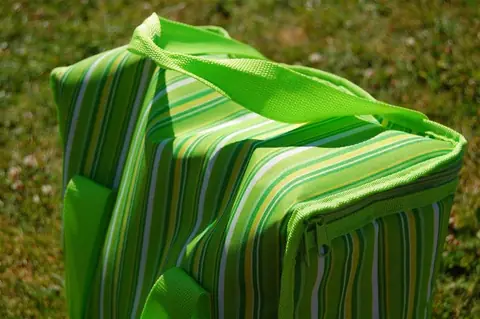
Foam-lined bag with a stiff base that keeps food hot or cold on the way. Logo print available.
 Ready price
Fold-up kraft box with wire-free lock for noodles, fried rice and momos.
 Price on quote
Soft 2-ply napkins with your logo in one or two colours.
What licences do you need for a cloud kitchen in India?
The core set is the same as a restaurant without a dining room: FSSAI registration or licence (the number also goes on your aggregator listing), GST registration, a trade or health licence from the municipal corporation and a fire NOC where your local rules require one. Aggregators also ask for PAN, a bank account and menu details during onboarding.
Rules differ by state and city, and FSSAI thresholds are based on annual turnover, so check the current requirements for your location before you sign a lease.
How do you keep a cloud kitchen hygienic and inspection-ready?
Food handlers should wear hairnets or caps and gloves when handling ready-to-eat food, food-contact surfaces should be sanitised through the day, and the kitchen needs pest control and a cleaning log. These are part of FSSAI's hygiene requirements, and they also protect your ratings.
Hygiene consumables
Live prices, excl. GST Ready price
Light non-woven bouffant cap that covers all hair. FSSAI hygiene rules ask for it.
 Ready price
Thin, loose-fit plastic gloves for serving and quick food handling. Food-contact grade.
 Ready price
Quat-based no-rinse sanitiser for tables, boards and counters at the right dilution.
 Ready price
Alkaline cleaner for hoods, ranges and greasy floors. Dilute 1:20 to 1:50 before use.
 Ready price
Bib apron with adjustable neck strap. Waterproof PVC for dish areas, canvas for cooks.
 Service
Third-party audit of your kitchen against FSSAI hygiene rules, with a scored report.
See everything for cloud kitchens in one place, or compare with quick-service outlets.
Frequently asked questions
How to start cloud kitchen business from home?
Start with FSSAI basic registration for your home kitchen, a short menu of three to five dishes you can cook consistently, food-grade delivery packaging and a listing on Swiggy and Zomato. Once daily orders outgrow your home kitchen, move to a rented 200–500 sq ft kitchen and upgrade to commercial equipment and a state FSSAI licence.
How much does it cost to start a cloud kitchen in India?
Many single-brand cloud kitchens are set up for roughly ₹5–15 lakh excluding the rent deposit. The final number depends on city, kitchen size, menu, and whether you buy new or used equipment.
Which licence is required for a cloud kitchen?
You typically need FSSAI registration or a state licence (based on turnover), GST registration, a municipal trade or health licence and a fire NOC where local rules require it. Swiggy and Zomato ask for the FSSAI number during onboarding.
How much space is needed for a cloud kitchen?
200–500 sq ft is common for one or two brands with a focused menu. Multi-brand kitchens with tandoors, ovens or large cold storage need more.
Can I run a cloud kitchen from home?
Small home-based food businesses can apply for FSSAI basic registration, but local trade-licence and residential-use rules apply, and aggregators have their own hygiene checks. Most growing brands move to a commercial kitchen.
What packaging is best for food delivery?
Use foil containers for biryani and dum dishes, microwave-safe PP containers for curries, bagasse trays for meals, kraft bowls for salads, portion cups for dips, and seal every bag with a tamper-proof sticker.
Get this list priced in 24 hours
Add the items to your requirement list or just tell us what you need. One quote in 24 hours, zero commission, GST invoice.
Prices on this page come live from the YesBatch catalogue, exclude GST and are for the listed minimum order. Your quote confirms the final price for your quantity, city and delivery date. For the full range, browse supplies for cloud kitchens.